Home/About EduAid
Our Story

Empowering Minds,
Changing Lives

PBC EduAid is the non-governmental arm of PB Cambridge Consult — dedicated to eliminating barriers that prevent talented Nigerian students from accessing world-class education.

Who We Are

Education Access for Every Nigerian

PBC EduAid operates as the social responsibility and outreach division of PB Cambridge Consult. While the main PBC brand focuses on international admissions consulting, EduAid tackles the root problem — ensuring students at all levels have the resources, knowledge, and support to even consider international education as an achievable goal.

We work across secondary schools, polytechnics, and universities nationwide — partnering with student union governments, NGOs, and corporate sponsors to deliver free programs that create lasting change.

500+
Schools Reached
₦50M+
Scholarships Facilitated
36
States Covered
30+
Events Per Year
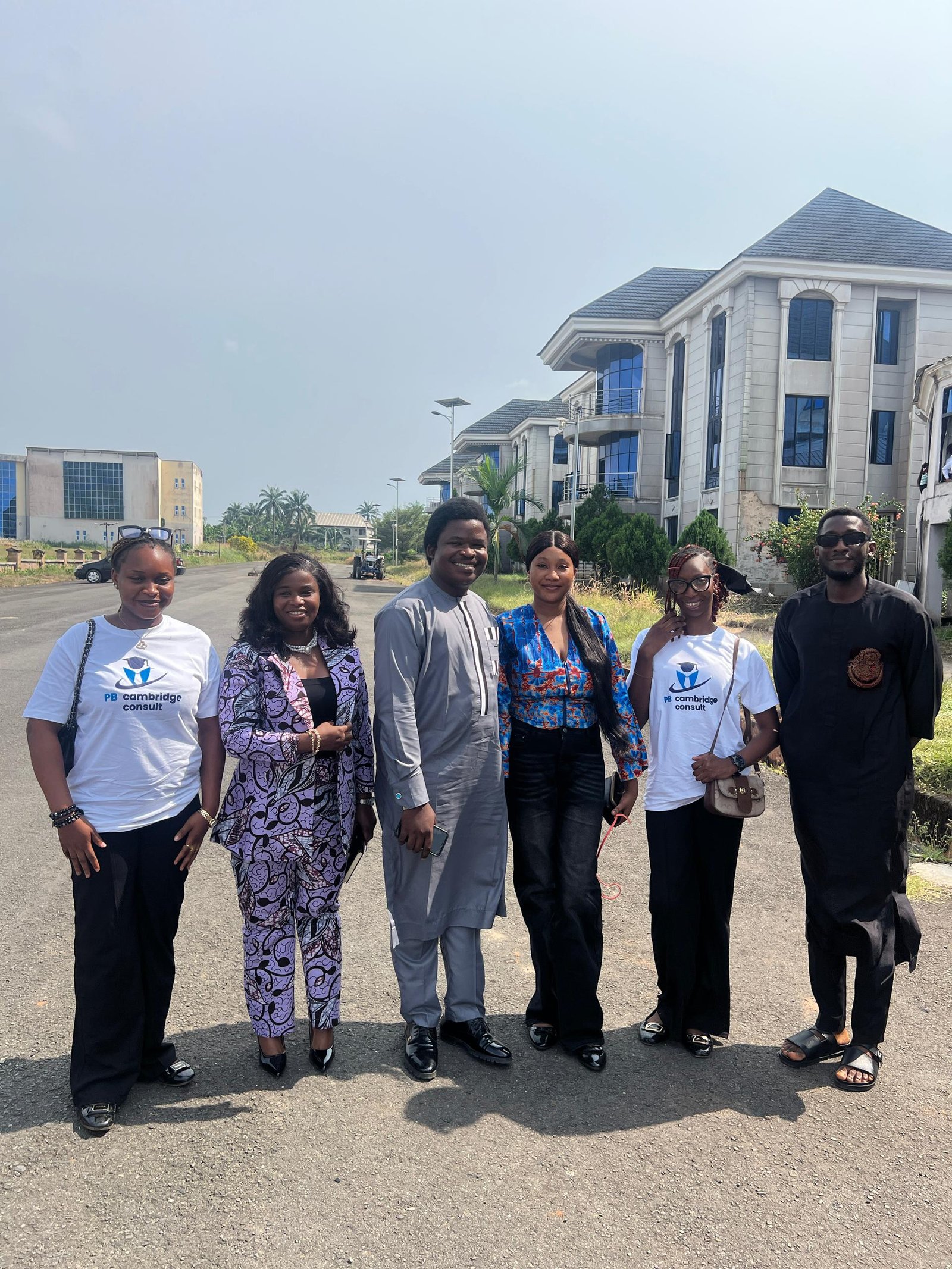
EduAid team
Our Values

What Drives Us

Mission-First

Every initiative is measured against one question: does it genuinely improve access to education for an underserved Nigerian student?

Community-Centred

We work with local student unions, school administrations, and community leaders — not around them — to ensure sustainable, culturally appropriate impact.

Transparency

Every partnership, donation, and distribution is documented and shared. We hold ourselves to the highest standards of accountability in all EduAid activities.

Join the EduAid Mission

Partner with us, volunteer your time, or donate to help us reach more students across Nigeria's 36 states.

How EduAid Works

Our Operational Approach

PBC EduAid runs on a partnership model — we rarely operate in isolation. For campus-based programs like Pad a Girl Child and our gender health outreach seminars, we partner directly with Student Union Governments (SUGs), who have deep knowledge of their student body's needs and the local relationships to ensure our distributions reach the students who need them most, rather than being diverted or mismanaged.

For school-based programs, we work with school administrators and counsellors who identify students facing the greatest need — whether that's due to family circumstances, distance from school requiring early departures without breakfast, or simply being in their final examination year and unable to afford basic preparation materials. This targeted approach ensures our limited resources create maximum impact rather than being spread too thin across a broad but shallow distribution.

Every EduAid event is documented — photographs, attendance records, and where applicable, feedback from recipients — both for our own program evaluation and for transparency with donors and partners who want to understand the real-world impact of their contributions. We believe that accountability isn't just good practice; it's a form of respect for everyone involved, from the students we serve to the partners who make our work possible.

As PBC EduAid has grown, we've expanded from single-campus events to programs spanning multiple states, with a growing network of volunteer coordinators who help us identify needs and execute programs in their local communities — building a sustainable, community-rooted model for educational welfare support across Nigeria.
Our Growth Plans

Looking Ahead

As PBC EduAid continues to grow, we're focused on expanding our geographic reach beyond our current network, deepening partnerships with universities and schools to create recurring rather than one-off programs, and building more formal systems for tracking the long-term impact of our work on student outcomes. We believe sustainable impact comes not from sporadic large gestures, but from consistent, reliable support that students and institutions can depend on year after year.

How We're Structured

Frequently Asked Operational Questions

EduAid doesn't maintain a large permanent staff — instead, we operate through a small core coordination team supported by a growing network of volunteers who contribute time for specific events and programs. This lean structure keeps our overhead low, ensuring that resources raised or donated go primarily toward the items and activities that directly benefit students, rather than administrative costs. As programs scale, we periodically evaluate whether dedicated roles are needed to maintain quality and consistency across our growing range of activities.