Every EduAid program is designed to remove a specific barrier — from period poverty to exam anxiety — so students can focus on their potential.
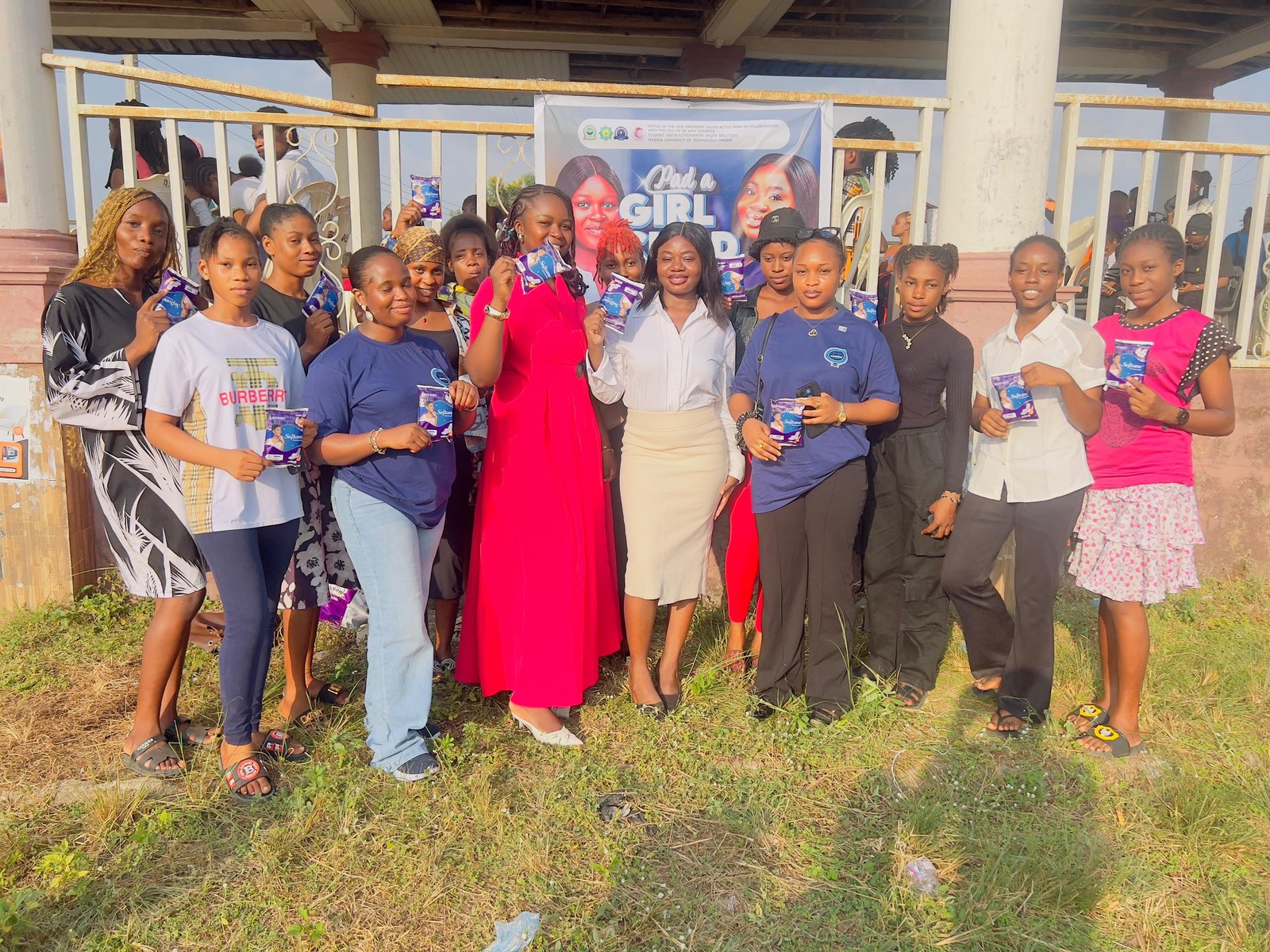
Period poverty is a hidden barrier to education. Thousands of Nigerian female students miss school days every month due to lack of access to sanitary products. EduAid's "Pad a Girl Child" initiative distributes free menstrual hygiene pads and health education to female students at universities and secondary schools across Nigeria.
The program operates in partnership with university student unions and community organisations — ensuring products reach the students who need them most.
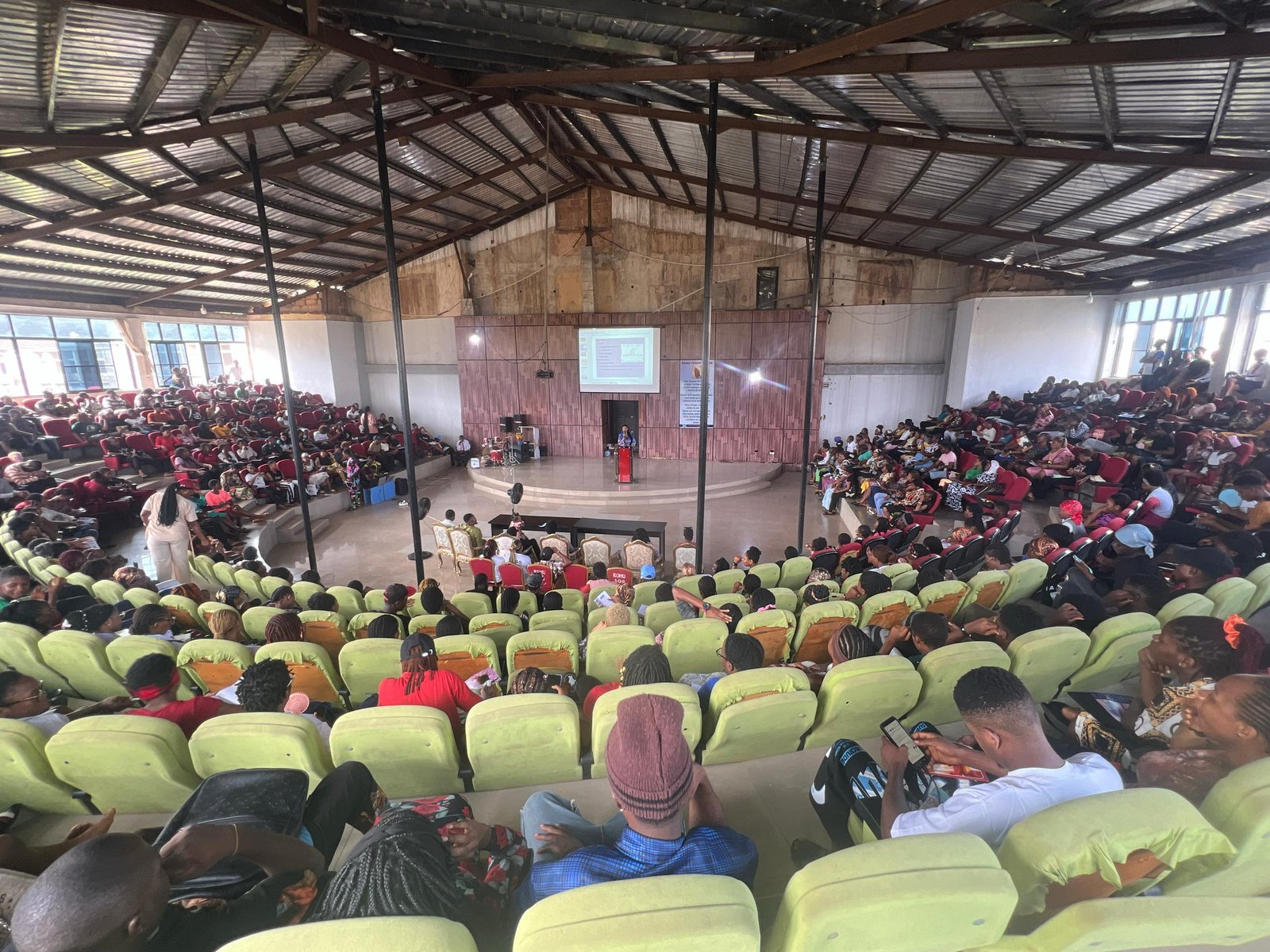
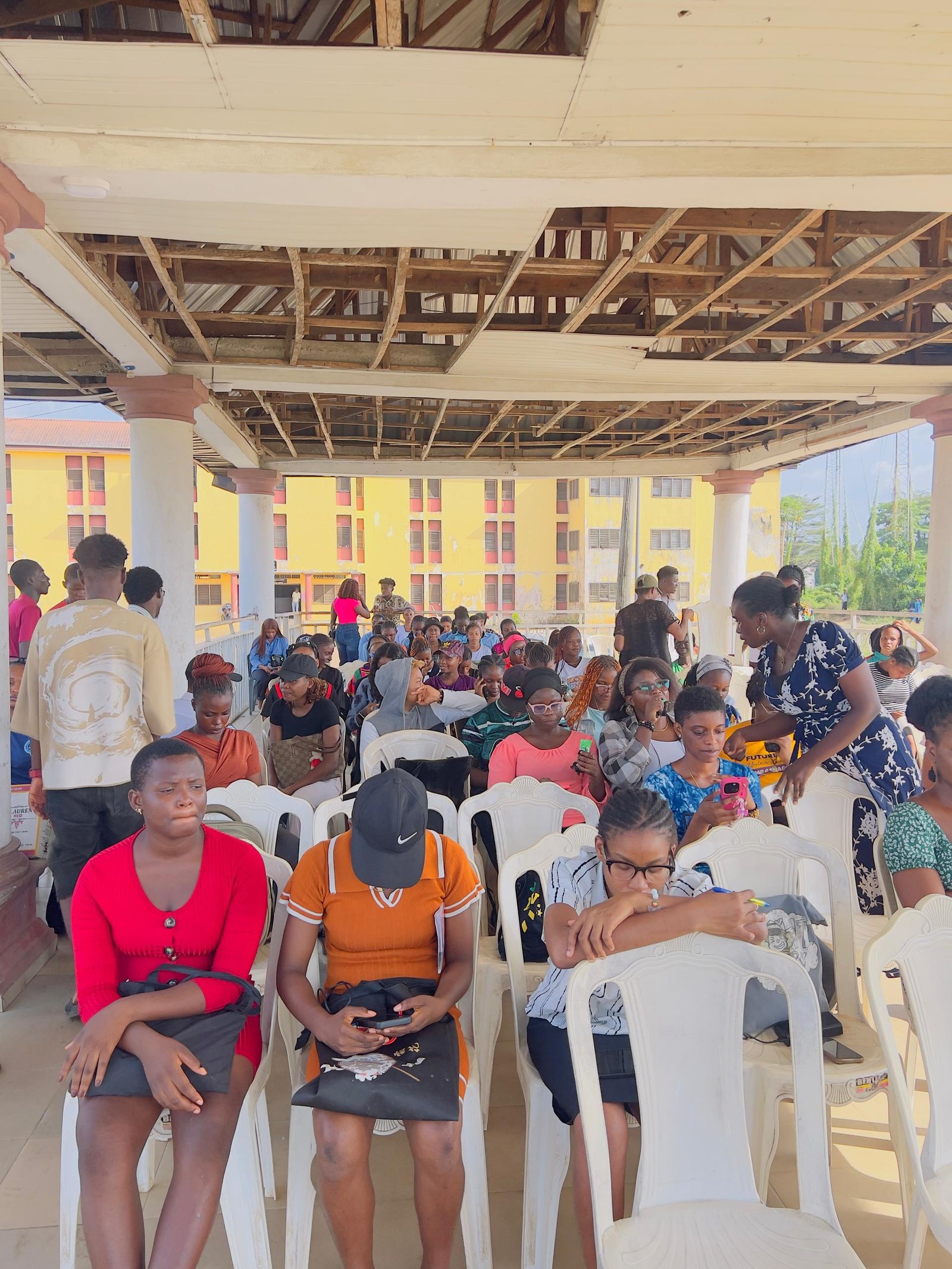
In collaboration with student union governments, EduAid organises campus seminars on gender relations, sexual responsibility, menstrual health, hormonal awareness, and emotional intelligence.
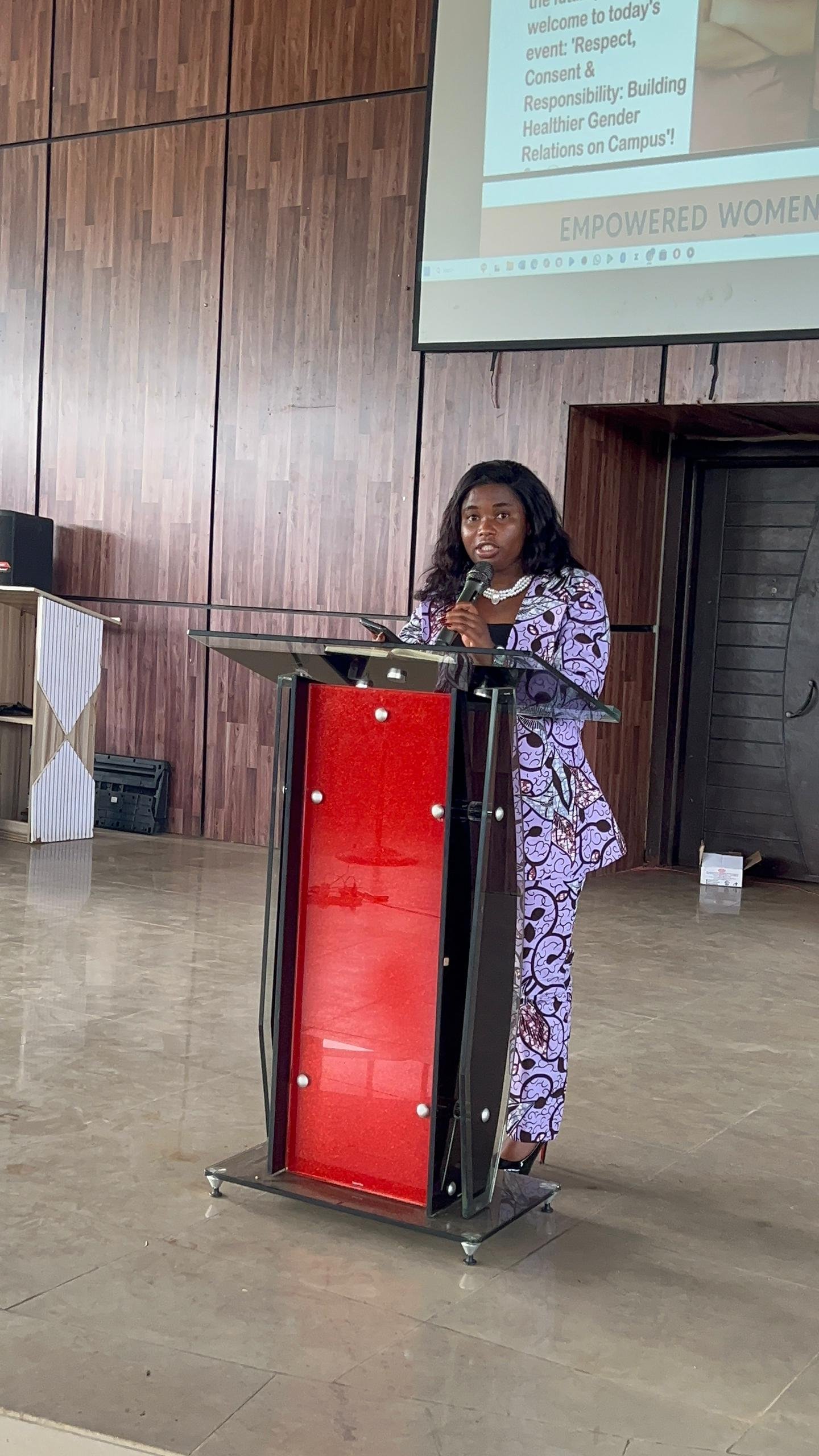
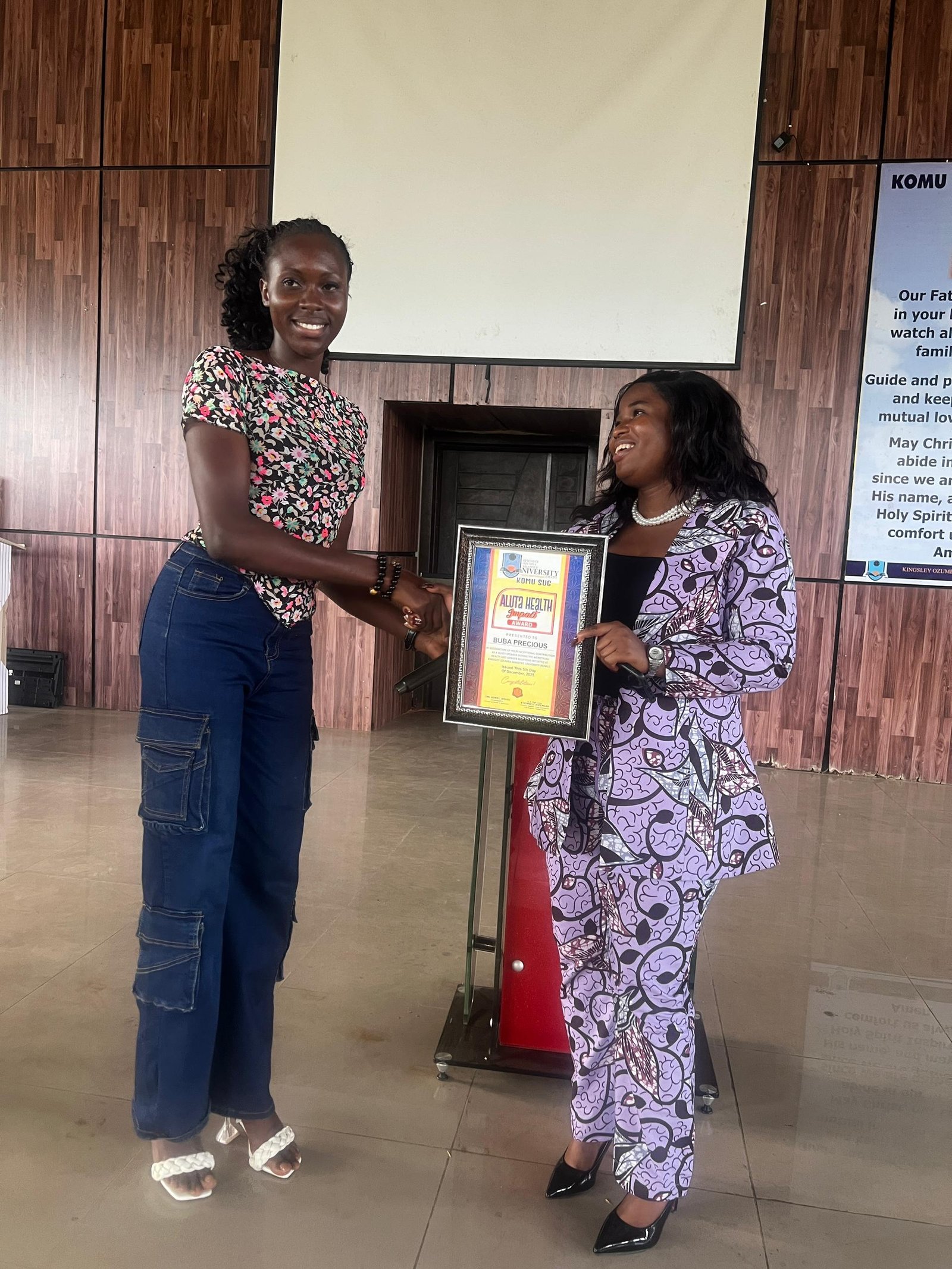
The most recent edition — held at Kingsley Ozumba Mbadiwe University (KOMU) — attracted hundreds of students and featured keynote speakers on "Empowering Campus Queens Through Menstrual Health, Hormonal Awareness & Emotional Intelligence."
Theme: "Respect, Consent & Responsibility: Building Healthier Gender Relations on Campus"
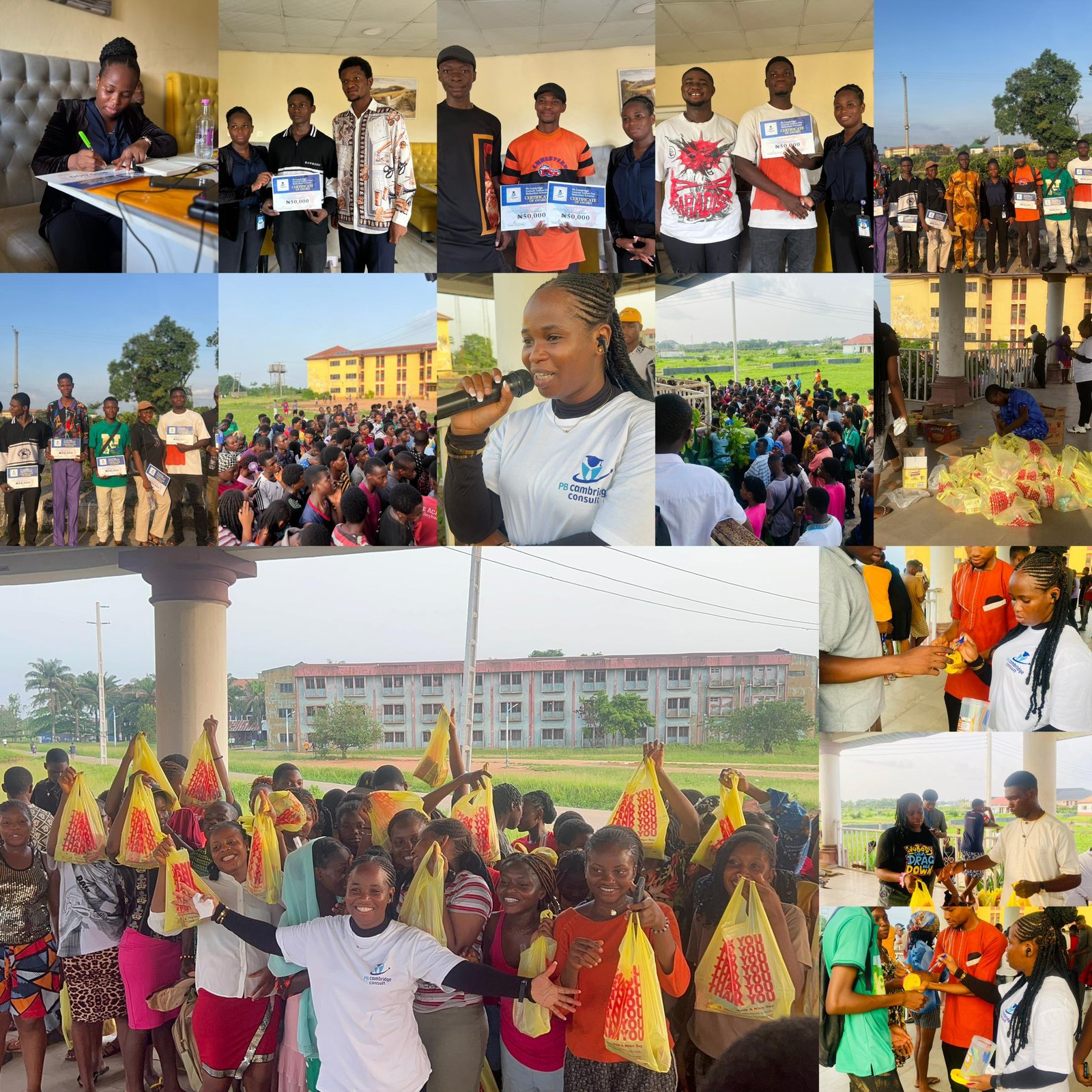
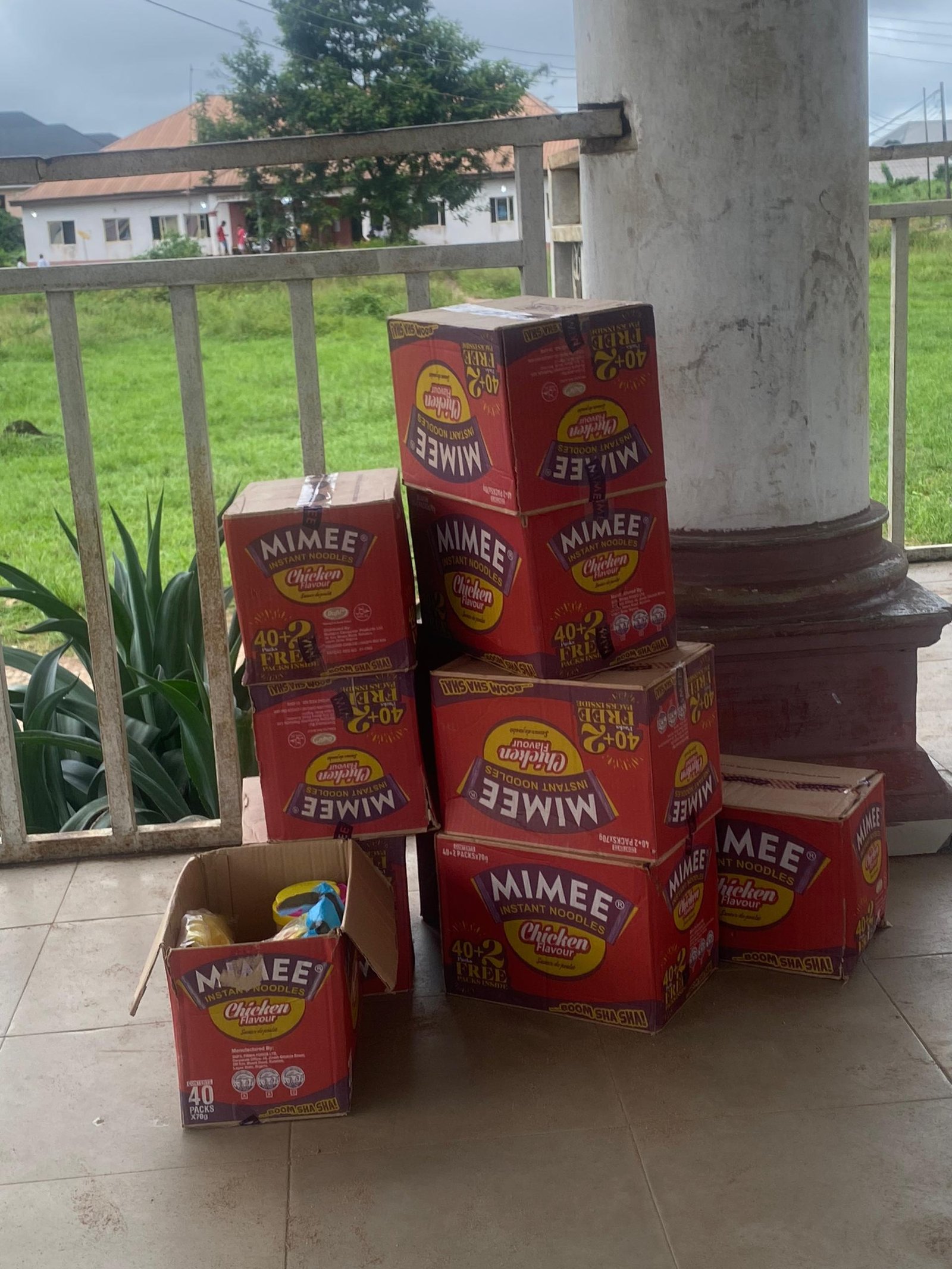
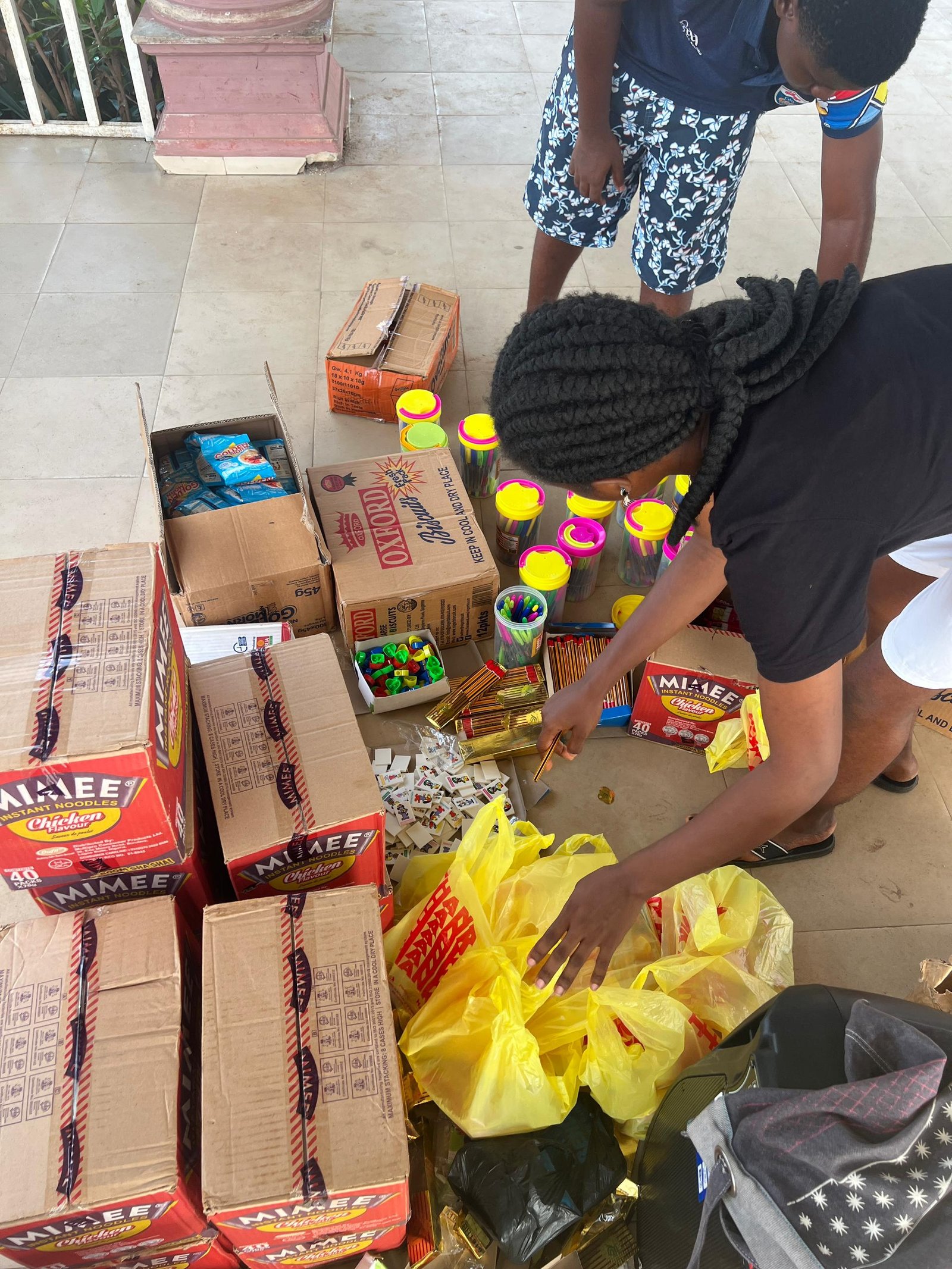
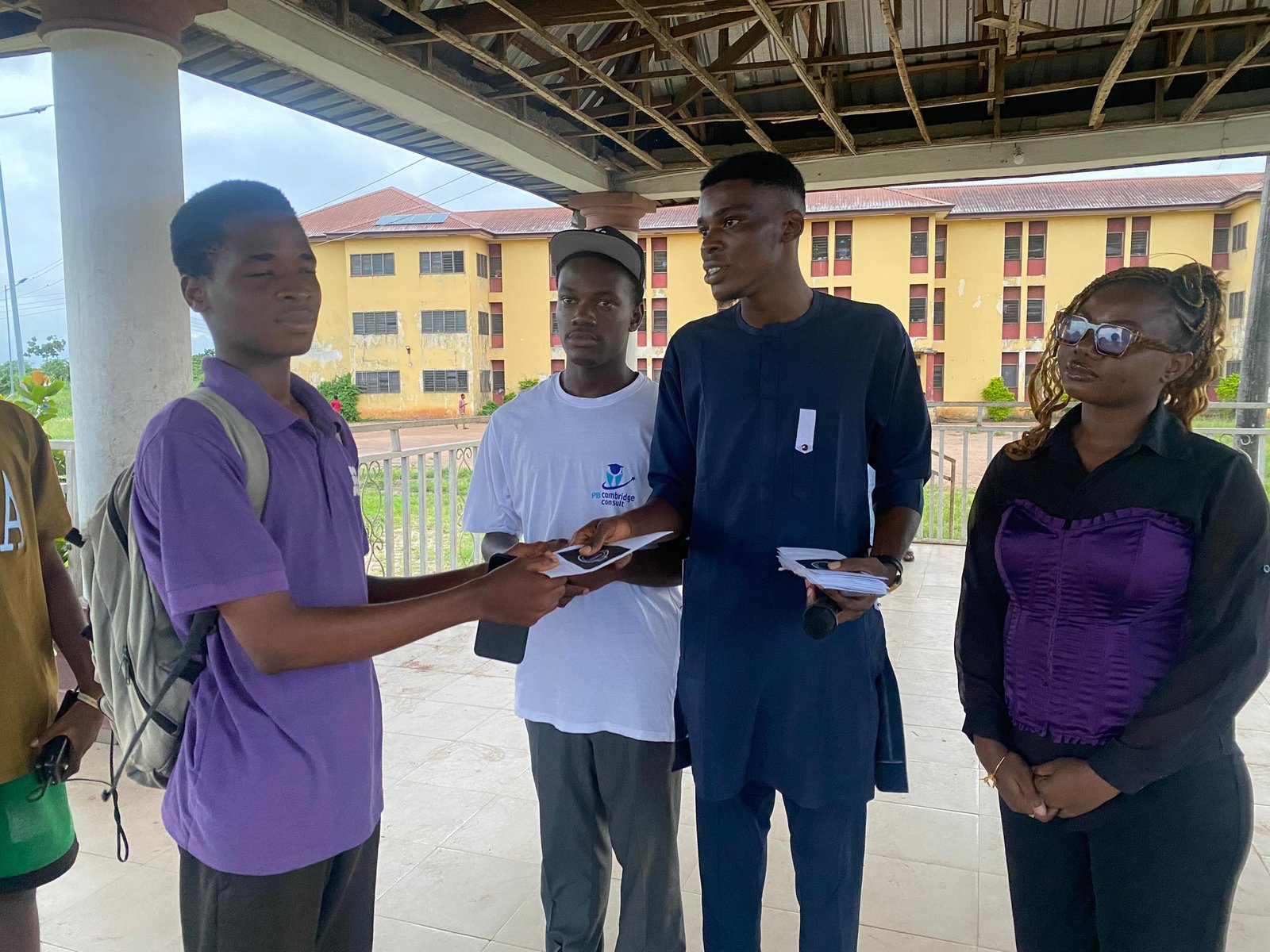
In partnership with the SUG President at FUTO, PBC EduAid distributed free writing materials, instant noodles, and exam support packs to hundreds of students ahead of their examinations at Asiabaka Square.
Hundreds of "Thank You" bags packed with food items, stationery (pens, pencils, erasers, rulers), and PBC Cambridge information cards were distributed on 4th May 2025 — reflecting our belief that student welfare and academic success go hand-in-hand.
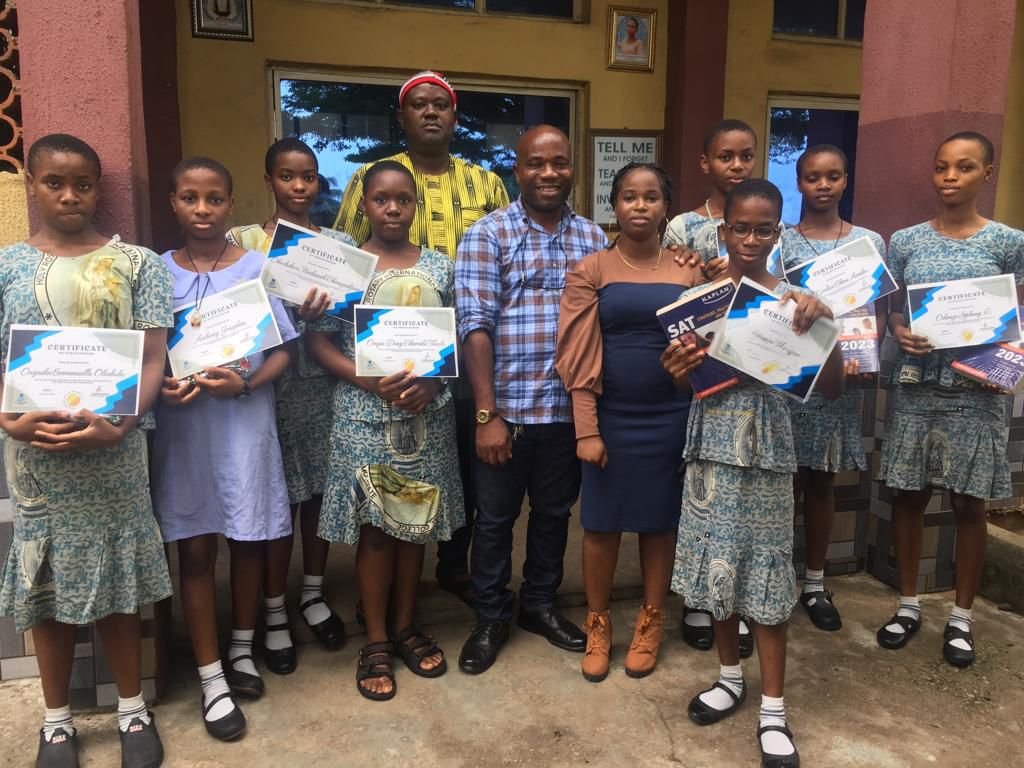
EduAid conducts regular school outreach visits — delivering free academic workshops, distributing SAT preparation books, and presenting certificates to top-performing students. Our team visits schools across Rivers, Imo, Anambra, and other states.
Top students receive SAT Total Prep books, certificates of merit, and are referred to PBC Cambridge's full scholarship and study abroad programs.
Since launching our first Pad a Girl Child distribution, EduAid has reached thousands of students across multiple universities and secondary schools in Nigeria. While exact figures vary by program and continue to grow with each event, the consistent feedback we receive from school administrators and student union partners is that these programs address real, immediate needs that students face daily — needs that, left unaddressed, translate directly into missed school days, reduced concentration, and diminished academic performance.
Our Gender Relations and Sexual Responsibility outreach has opened conversations on campuses that students report rarely happen in formal academic settings. Feedback from these sessions consistently highlights that students — particularly young women — value having a safe, judgment-free space to ask questions about topics that affect their daily lives but are often considered taboo to discuss openly.
The exam-season welfare distributions, including our collaboration with the FUTO Student Union Government, have become anticipated events that students specifically look forward to during what is otherwise one of the most stressful periods of the academic calendar. Beyond the practical value of the items distributed, students report that these gestures of support from an external organization improve morale during high-pressure examination periods.
As EduAid continues to grow, we're working toward establishing more formal impact tracking — including pre- and post-program surveys, attendance tracking correlated with program timing, and longer-term follow-up with students who've received support through multiple programs over time. Our goal is not just to do good work, but to understand precisely how that work translates into measurable improvements in students' educational outcomes, so we can continually refine and scale what works best.